How Tree Removal Metairie Services Help During Emergency Situations
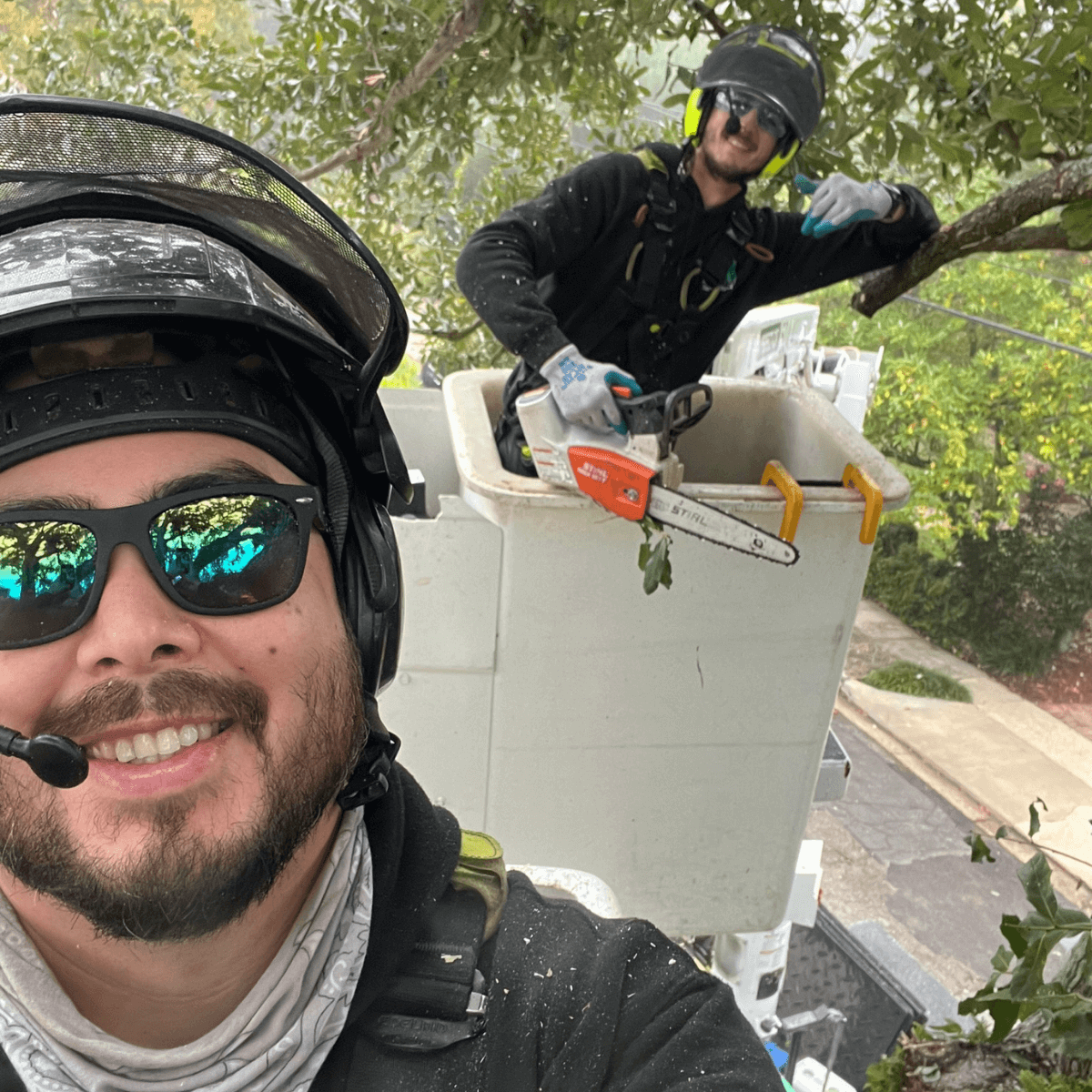
Storm season has a way of turning ordinary yards into hazard zones overnight. A tree that looked healthy on Friday can be lying across a driveway by Saturday morning, its root plate lifted, its trunk split, and its branches tangled in power lines. In Metairie, where heavy rain, saturated soil, tropical storms, and high winds are part of life, emergency tree work is not a rare event. It is a practical necessity.
When a tree fails suddenly, the issue is no longer curb appeal or routine landscape maintenance. It becomes a matter of safety, access, property protection, and timing. Emergency tree removal is the kind of service people do not think much about until they need it immediately. At that point, the difference between a qualified crew and a rushed, poorly equipped response becomes obvious.
Tree removal Metairie services play an important role in these moments because emergencies are rarely tidy. A fallen live oak may block a family from leaving for work or school. A cracked limb may hang over a roof for hours before dropping through shingles and decking. A leaning tree may still be standing, but only barely, and every gust of wind raises the stakes. Fast action matters, but so does judgment. The safest emergency tree companies know how to move quickly without making a dangerous situation worse.
What counts as a tree emergency
Not every damaged tree requires same-day removal, but some situations clearly do. The challenge for homeowners is that urgency is not always obvious at first glance. A branch on the ground is one thing. A partially uprooted tree pressing into a fence, with the crown resting on a garage, is something else entirely.
A true emergency usually involves immediate danger to people or structures, blocked access, active utility concerns, or a strong likelihood of further failure. After severe weather, crews often see the same patterns. Trees tree removal metairie fail at weak branch unions, root systems lose grip in soaked soil, and hidden decay reveals itself only after the trunk twists under wind pressure. In neighborhoods with mature trees and closely spaced homes, even a relatively small tree can create serious damage if it lands in the wrong place.
This is where experienced assessment matters. Emergency crews do not just show up with chainsaws. They evaluate weight distribution, tension in limbs, the angle of lean, soil movement, and whether the tree is interacting with roofs, fences, vehicles, or wires. A trunk under compression can spring violently when cut the wrong way. A branch that appears supported may shift unexpectedly once another limb is removed. In other words, the job is not simply cutting wood. It is managing unstable loads under pressure.
Why speed matters, but not at the expense of control
People understandably want the tree gone as soon as possible. If a large limb has hit a roof, every hour can mean more water intrusion. If a driveway is blocked, the household may be effectively stranded. If a tree is leaning toward a home, sleep becomes difficult until the risk is addressed.
Still, the fastest response is not always the best response if it lacks planning. In emergency work, there is a fine line between urgency and recklessness. Good companies know when to stabilize first, when to remove sections in sequence, and when to bring in specialized equipment instead of forcing the job with hand cutting alone.
A seasoned crew often spends the first part of the visit observing rather than cutting. That may feel slow to a stressed homeowner, but it prevents costly mistakes. For example, a tree resting on a roof may actually be helping distribute its own weight. Removing the wrong section first can transfer all that load into one point, causing more structural failure. Likewise, a tree pinned against another tree may be storing energy in ways that are not visible from the ground.
In Metairie, where many homes sit close together and yards can be tight, access is another factor. Bucket trucks and cranes are valuable in emergency tree work, but they are not always practical in narrow spaces, soft ground, or behind fenced lots. A reliable provider knows how to adapt the removal plan to the property rather than improvising in ways that increase risk.
The first hours after storm damage
The period right after a storm is often the most chaotic. Phones are ringing, insurance questions begin, roads may still be partially obstructed, and homeowners are trying to figure out whether the tree company, the utility company, or the roofer should come first.
In those first hours, clear priorities help:
- Keep people away from the damaged area, especially children and pets.
- Do not approach limbs touching power lines or draped near service drops.
- Take photos from a safe distance for insurance documentation.
- Call a qualified emergency tree service before attempting any cutting.
- If the tree has affected utilities, notify the utility provider immediately.
That short sequence prevents many secondary injuries. It is surprisingly common for people to get hurt not during the storm itself, but during cleanup. Homeowners step onto unstable roofs, pull on branches under tension, or cut wood that shifts suddenly. Even smaller trees can trap a saw, roll, or split unpredictably. In wet conditions, footing is poor, visibility is reduced, and electrical hazards multiply.
Professional crews come prepared for these exact conditions. They bring rigging gear, personal protective equipment, saws sized for structural cuts, and often tarping or temporary clearing strategies when full removal must be staged. They also understand that the immediate goal may be to make the site safe first, then complete the remaining work once access improves or weather clears.
How emergency tree removal protects property from cascading damage
One of the least appreciated parts of emergency tree work is how much additional damage it prevents. Homeowners see the obvious impact, a crushed fence, a broken gutter, a dented vehicle, but the hidden damage often costs more if the tree remains in place too long.
A limb through a roof is an easy example. The wood itself causes one level of destruction. Rain entering through the opening causes another. Saturated insulation, stained ceilings, warped framing, mold growth, and damaged electrical systems can turn a limited tree strike into a far more expensive repair. In that context, emergency removal is not just debris clearing. It is part of broader loss control.
The same principle applies to trees leaning on structures without fully penetrating them. Weight pressing against siding or rooflines can shift over time, especially if wind picks up again. A trunk that seems stable in the morning can break farther down by evening. Crews often prioritize these partial failures because they are deceptive. The situation looks paused, but the forces involved are still active.
Another frequent scenario in Metairie is root failure near paved areas. When a tree partially uproots, the root plate can heave sidewalks, driveways, irrigation lines, and underground utilities. If the tree is left hanging at an angle, the disturbed soil may continue moving. Timely removal and stabilization reduce the chance of broader site damage.
Power lines change everything
Any tree emergency involving utilities requires a different level of caution. Homeowners sometimes assume a line is safe if it is not sparking or if the power to the house is already out. That assumption can be deadly. Lines may still be energized, and service conditions can change without warning during restoration work.
Responsible tree removal Metairie companies know when to stop and coordinate. They do not cut trees off energized lines unless they are specifically trained, authorized, and equipped for that work. In many cases, the utility provider must secure the area first. That can be frustrating when people want immediate action, but it is the correct process.
Even after utility clearance, line-adjacent work remains specialized. Conductors can be hidden by foliage. Tension in the tree can cause movement toward the line as sections are removed. Communication between crew members becomes critical, especially when visibility is limited by canopy, rain, or cluttered yards.
From a homeowner's perspective, the best move is simple: keep your distance and report it. Let the professionals handle sequencing. Emergency tree work near power infrastructure is one of the clearest examples of why experience matters more than speed alone.
Judgment calls that only experienced crews make well
Emergency tree removal is full of decisions that are hard to appreciate from the outside. Should the crew remove the crown first or reduce the trunk weight from below? Is the safest route through the front yard, even if it means temporarily disturbing landscaping, or through the rear access where ground conditions are unstable? Can the tree be rigged down in sections, or is a crane needed because the structure underneath cannot tolerate any shock load?
These are not cosmetic choices. They affect safety, property damage, labor time, and final cost.
I have seen situations where homeowners wanted the visible mess cleaned up first, the branches scattered across the lawn, while the crew focused instead on a cracked lead limb suspended over a bedroom. That is the right instinct. In emergency response, the largest pile is not always the largest danger.
There is also the question of what stays and what goes. Sometimes only part of the tree needs removal. A storm-damaged tree with one failed codominant stem may be safely reduced and preserved if the remaining structure is sound. Other times, partial salvage is a false economy. If the trunk has major decay, if the root plate has shifted significantly, or if the species is prone to further failure after this kind of damage, full removal is usually the wiser choice.
Good companies explain that trade-off plainly. They do not oversell removal when pruning is enough, and they do not promise to save a tree that has become structurally unreliable.
Equipment makes a difference, but so does restraint
People often picture tree work as brute force, chainsaws roaring, big limbs dropping, crews moving fast. Emergency operations certainly involve skillful physical work, but the best teams are usually the most deliberate. They use equipment to reduce uncertainty, not to show off.
Cranes, bucket trucks, skid steers, compact loaders, rigging blocks, lowering devices, and specialized saws all have their place. In the right hands, they speed removal and protect the property. In the wrong hands, they can tear up a yard, overload a weak section of tree, or create unnecessary impact on already damaged structures.
One detail homeowners should notice is how a crew sets up the work zone. Cones, communication, cut sequencing, and debris staging tell you a lot about professionalism. A calm site is often a safe site. Yelling, rushed cuts, and constant repositioning usually signal poor planning.
Metairie properties often present extra challenges because of drainage patterns, mature tree canopies, fences, overhead lines, and limited truck placement. A competent emergency crew adjusts to those realities. They may use smaller equipment to preserve access, hand-carry sections in confined spaces, or delay heavy machinery if the soil is too saturated to support it without causing more damage.
Insurance, documentation, and the practical side of cleanup
Once the immediate danger is under control, paperwork begins. Homeowners are often surprised by how useful a thorough emergency tree service can be during the insurance process. While tree companies do not decide coverage, they can provide photos, written descriptions of the damage, scope of work, and invoices that help support a claim.
The distinction between tree removal from a structure and cleanup elsewhere on the property can matter. So can the cause of failure. Wind-thrown trees, storm breakage, and preexisting decline may be treated differently depending on the policy. That is why documentation right after the event is valuable.
A practical crew also thinks beyond the cut itself. Will the debris be hauled away the same day? Is stump grinding safe immediately, or should it wait until the soil settles and utility lines are marked? Does the homeowner need temporary access cleared first so roofers, adjusters, or restoration contractors can get in? In emergency work, sequencing with other trades can save both time and frustration.
One thing worth noting is that cleanup standards vary. Some companies do excellent removal work but leave a site rough. Others understand that a homeowner dealing with storm loss needs more than wood moved off the roof. They need the driveway open, the hazard removed, and the property left in a manageable state. That difference shows up in customer experience more than any advertisement ever will.
Signs you should call immediately, not wait until morning
There are situations where waiting is reasonable, especially if the damage is minor and the tree is stable. There are others where delaying the call can raise the risk significantly. A few signs should push the situation into the urgent category:
- The tree or limb is touching a house, garage, vehicle, or occupied area.
- The root plate is lifting and the tree has started to lean noticeably.
- Large branches are cracked and hanging overhead.
- Access to the home, driveway, or street is blocked.
- Power lines or service lines are involved in any way.
Those conditions can deteriorate quickly, especially with additional rain or wind. Even if removal cannot happen that minute because of weather or utility constraints, getting on the schedule and receiving professional guidance early is important.
Why local knowledge matters in Metairie
Emergency tree work is not identical from one region to another. Local species, soils, weather patterns, lot layouts, and municipal conditions all influence the work. In Metairie, broad-canopied shade trees are common, and many neighborhoods combine mature landscaping with tight residential spacing. Add heavy storms and occasional tropical impacts, and you get a setting where tree emergencies require both technical skill and local familiarity.
A company that works regularly in the area understands how quickly saturated ground can weaken root stability. It knows which neighborhoods have difficult access, which common species tend to split rather than uproot, and how storm debris movement can affect already stressed trees. That kind of pattern recognition speeds up diagnosis and sharpens decision-making.
There is also a practical side to being local. Nearby crews can often respond faster, especially in the first day after a major weather event when roads are crowded and service demand spikes. They may also have established relationships with nearby contractors, utility contacts, and disposal sites, which helps the work move more efficiently.
Choosing the right emergency response team before you need one
The best time to think about emergency tree service is before a storm warning appears. People who already know whom to call tend to get help faster and make calmer decisions. Waiting until a tree is on the roof to start comparing companies is stressful and often leads to poor choices.
You do not need a long vendor spreadsheet. You need one reliable contact with proper insurance, real emergency experience, and the equipment or partnerships needed for complicated removals. Ask whether they handle storm response directly, whether they can work around structures, and how they approach utility-related hazards. If the answers sound vague, keep looking.
Reputation matters here in a way it might not for routine yard work. A company can be perfectly competent at scheduled pruning and still be unprepared for high-risk emergency removals. The skill sets overlap, but they are not identical. Emergency crews need stronger hazard recognition, better communication, and more disciplined work planning.
After the tree is gone, the site still needs attention
The removal itself is often just the first chapter. Once the immediate hazard is cleared, homeowners need to think about secondary effects. Soil may be disturbed. Exposed roots may have damaged nearby plants or hardscaping. Remaining trees may now be more exposed to wind because the canopy structure has changed.
This is also the time to look closely at other trees on the property. Storm damage tends to reveal broader issues. If one mature tree failed because of decay or root stress, others nearby may show similar warning signs. A follow-up inspection can catch cracks, cavities, poor branch unions, or root problems before the next storm season.
Sometimes emergency removal also creates an opportunity to replant smarter. That does not mean replacing a large shade tree casually. It means choosing species and planting locations with future storm performance in mind, giving roots enough space, and avoiding placements that create predictable conflicts with homes, sidewalks, and utility lines.
Emergency tree work is rarely anyone's idea of a good day. It is disruptive, expensive, and often tied to moments of real stress. But when the right crew handles it, the chaos becomes manageable. The danger is assessed properly, the structure is protected as much as possible, access is restored, and the next steps become clearer.
That is the real value of experienced tree removal Metairie services during emergencies. They do more than cut and haul. They stabilize a bad situation, reduce the odds of further damage, and bring order to a moment when homeowners need practical help most.
A Perfect Cut Tree Service
4725 Shores Dr, Metairie, LA 70006
+1 504-732-0779
FAQ About tree removal metairie
What is the average cost of tree removal in my area?
There is no single price that fits every tree. Size, condition, access, nearby structures, equipment, debris hauling and stump work affect the estimate. Request a written, site-specific quote that identifies what is included.
Who will remove trees for free?
Free removal is not generally available for ordinary private-property tree work. Utilities or public agencies may handle trees within their responsibilities. Confirm eligibility directly and do not assume that an offer or assistance program covers your tree.
Can I just cut down a tree in my yard?
Check ownership, location and local requirements first. Jefferson Parish requires a permit for removal of qualifying vegetation in the public right-of-way, and additional protections may apply in designated areas. Ask the parish about your property and have a qualified tree professional assess the work.